The Evolution of Additive Manufacturing Standardization
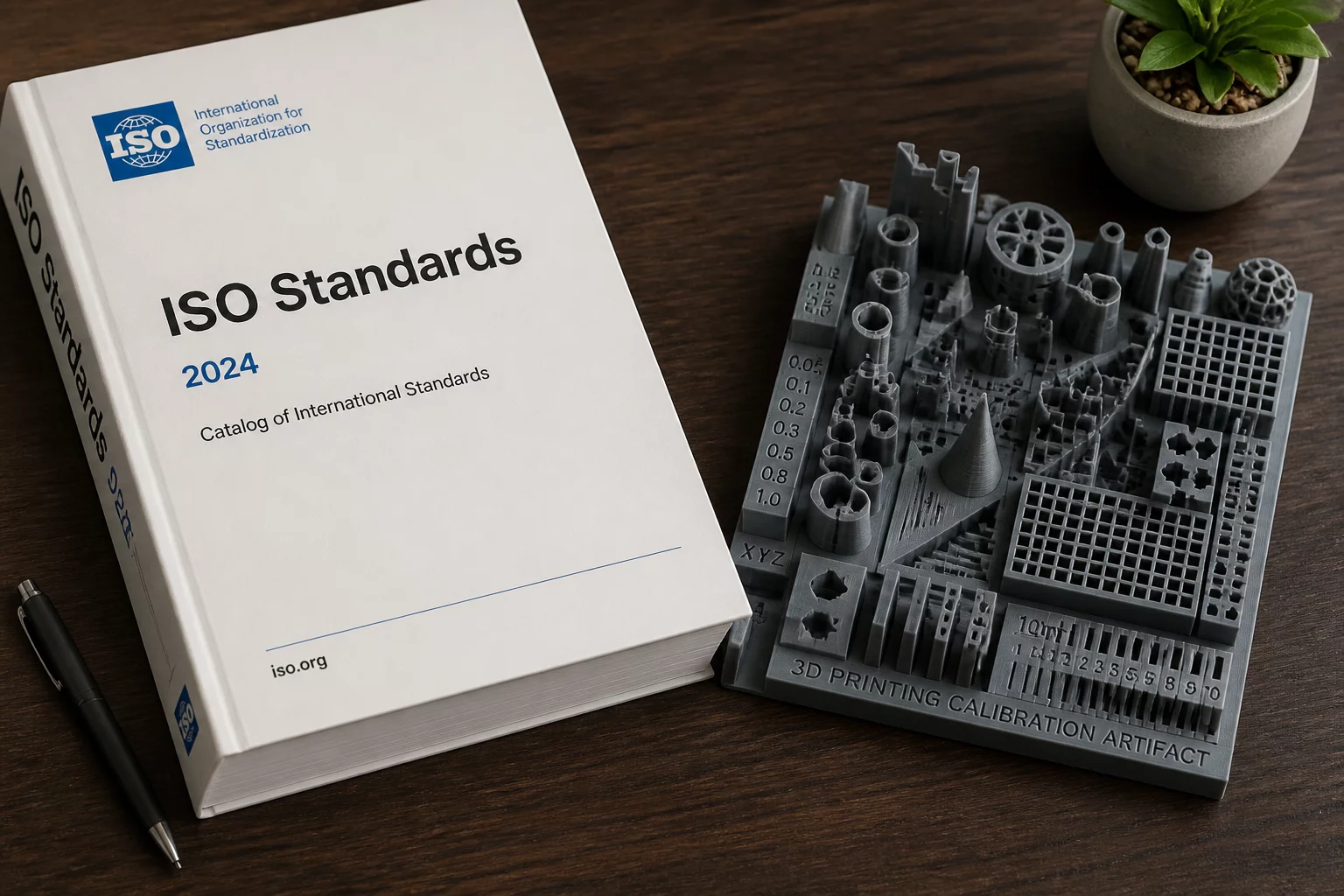
Standardizing additive manufacturing (AM) has been a collaborative effort between ISO and ASTM International. These organizations have created a unified hierarchy of standards that allows manufacturers to speak the same technical language across borders. It starts with fundamental terminology and extends to specific material requirements and process-specific testing methods. By adhering to these protocols, companies ensure that their printed parts meet the rigorous demands of aerospace, medical, and automotive sectors where failure is not an option.
The hierarchy is divided into general, category, and specialized standards. General standards deal with terminology, data processing, and common safety guidelines. Category standards focus on specific process types like Powder Bed Fusion (PBF) or Directed Energy Deposition (DED). Specialized standards are the most granular, providing detailed acceptance criteria for specific materials or highly critical components used in extreme environments.
| PARAMETER | VALUE | UNIT |
|---|---|---|
| Surface Roughness Limit (Ra) | 6.3 - 12.5 | μm |
| Porosity Threshold | < 0.5 | % |
| Dimensional Tolerance (IT Grade) | IT10-IT12 | Class |
- Calibrated Coordinate Measuring Machine (CMM)
- Digital Profilometer for surface texture analysis
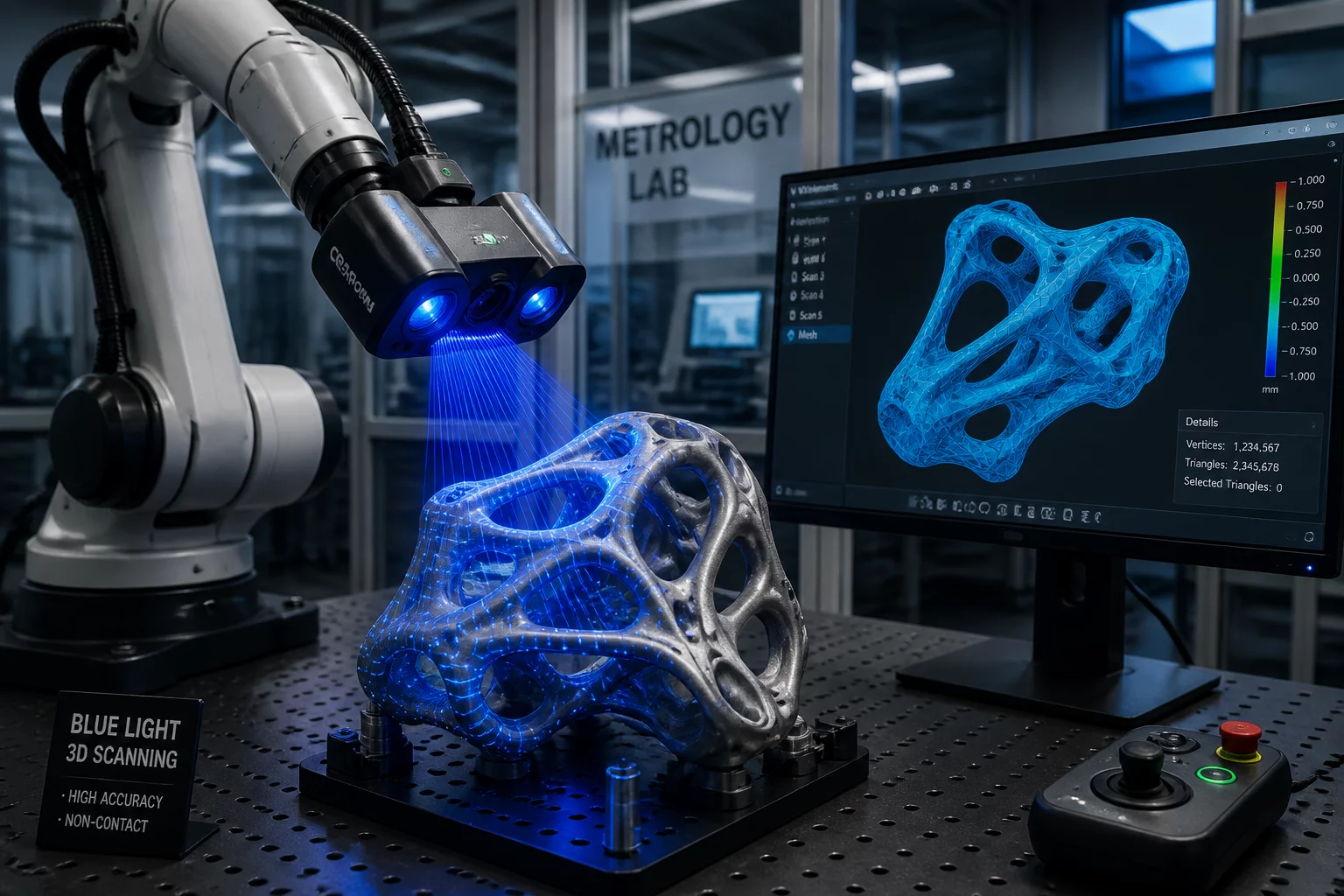
- X-ray Computed Tomography (CT) for internal inspection
- Tensile testing machine for mechanical verification
Methodology Overview
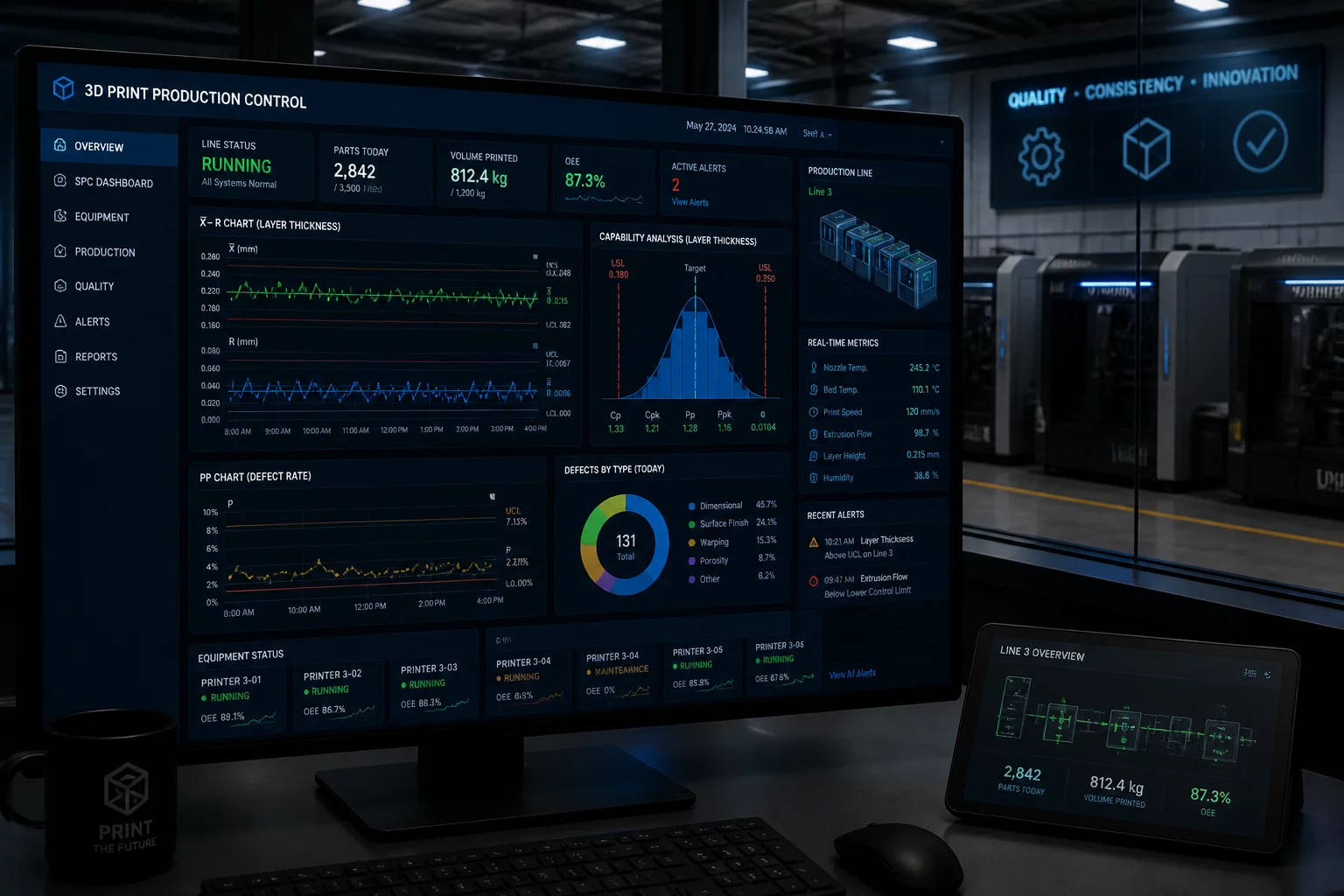
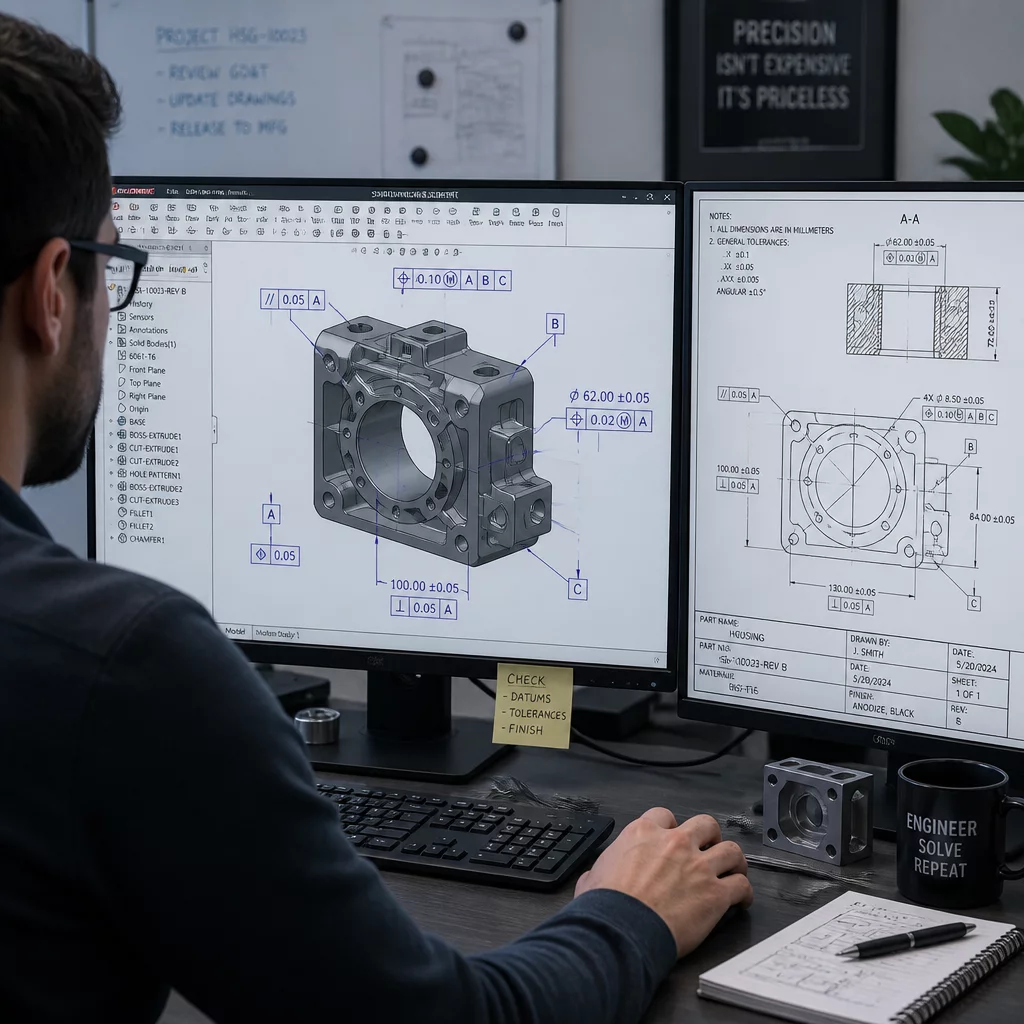
The methodology for verifying compliance involves a multi-stage approach. First, the material feedstock must be validated against its technical datasheet to ensure purity and consistency. Next, the build process is monitored in situ to capture thermal anomalies or mechanical skips that could indicate internal defects. Post-processing, parts undergo geometric inspection using calibrated metrology tools to confirm they fall within the specified tolerances. Finally, destructive or non-destructive testing is performed on witness coupons to confirm the mechanical properties match the digital twin's requirements. This structured workflow minimizes risk and guarantees repeatability in high-volume production environments.