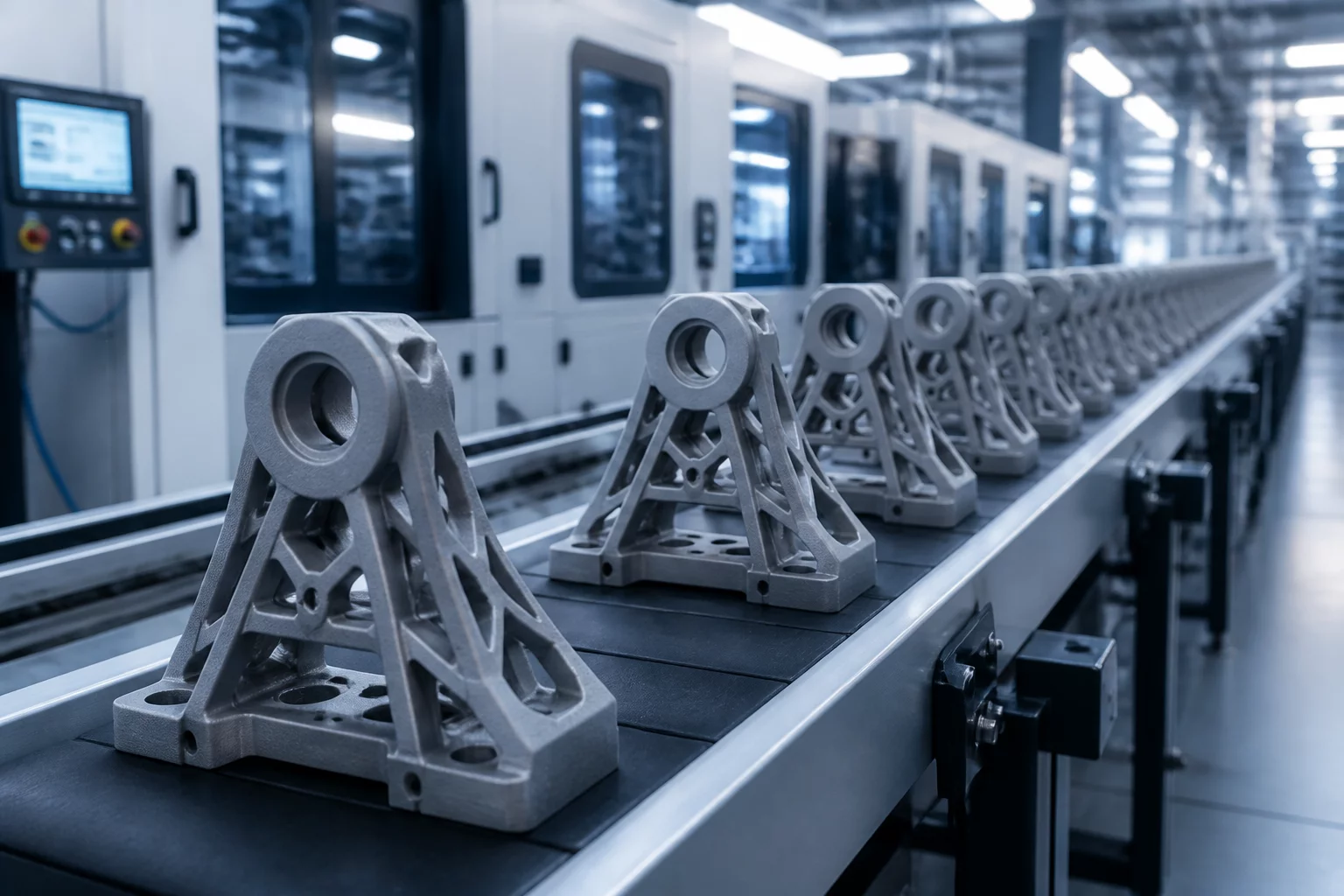
Explore practical criteria for function, appearance, fit, repeatability, and production readiness in Additive Manufacturing. Get access to verified quality control methodologies.
Technical guidelines on dimensional accuracy, cosmetic inspection, and part readiness for industrial additive manufacturing.
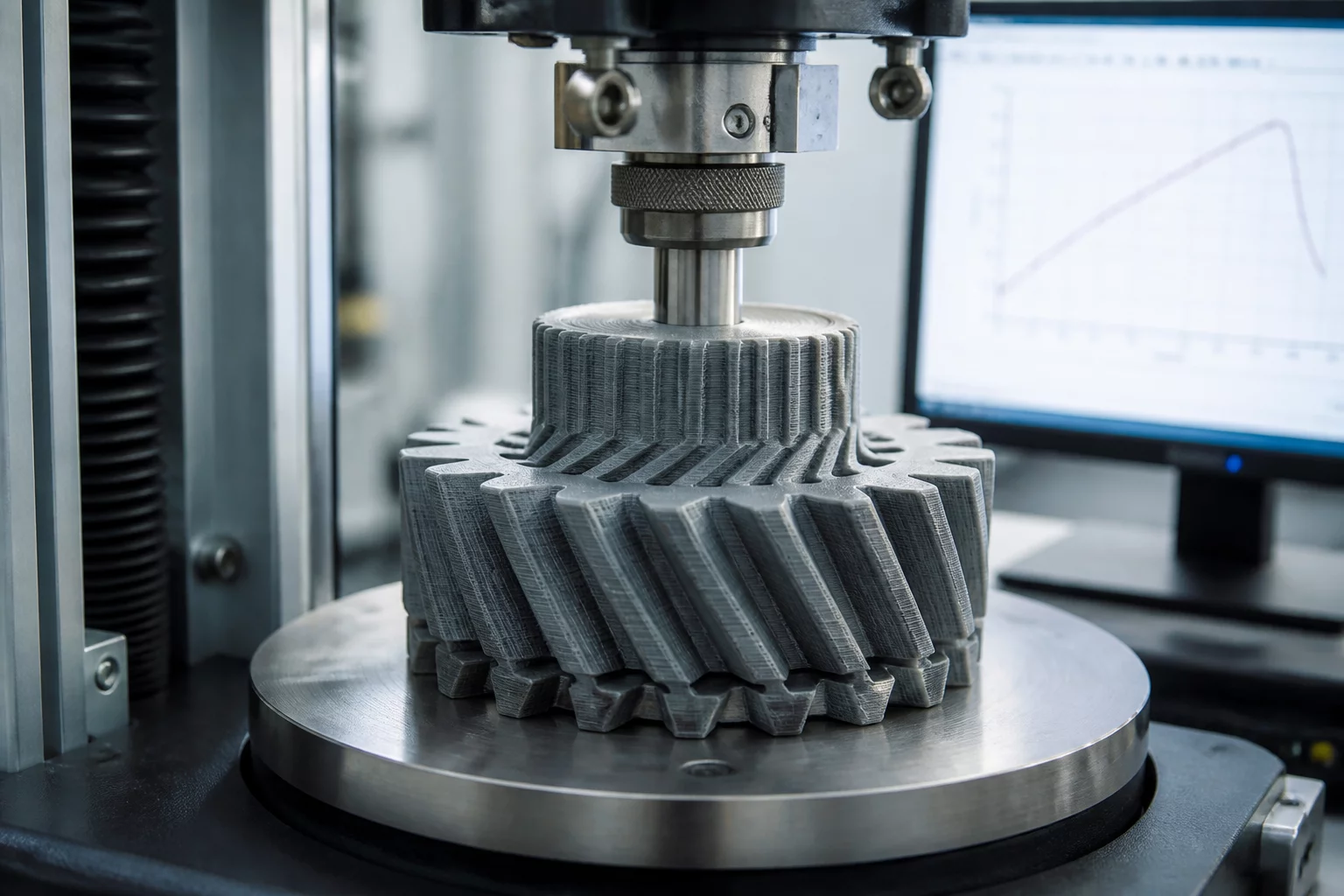
Defining mechanical performance boundaries, load tolerances, and structural benchmarks for end-use components.
Standardizing visual inspection workflows, surface imperfection thresholds, and aesthetic compliance parameters.
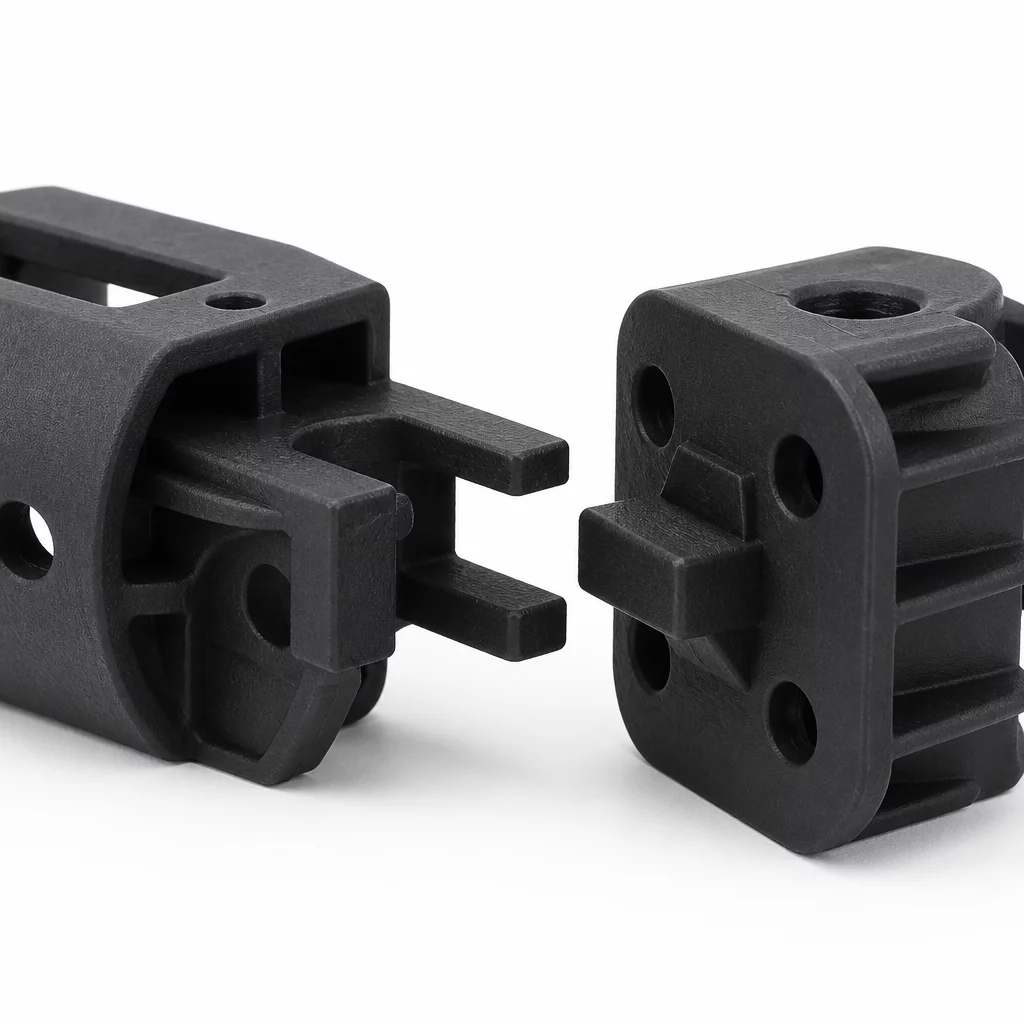
Analyzing dimensional stack-ups, assembly clearances, and mating interface requirements for complex systems.
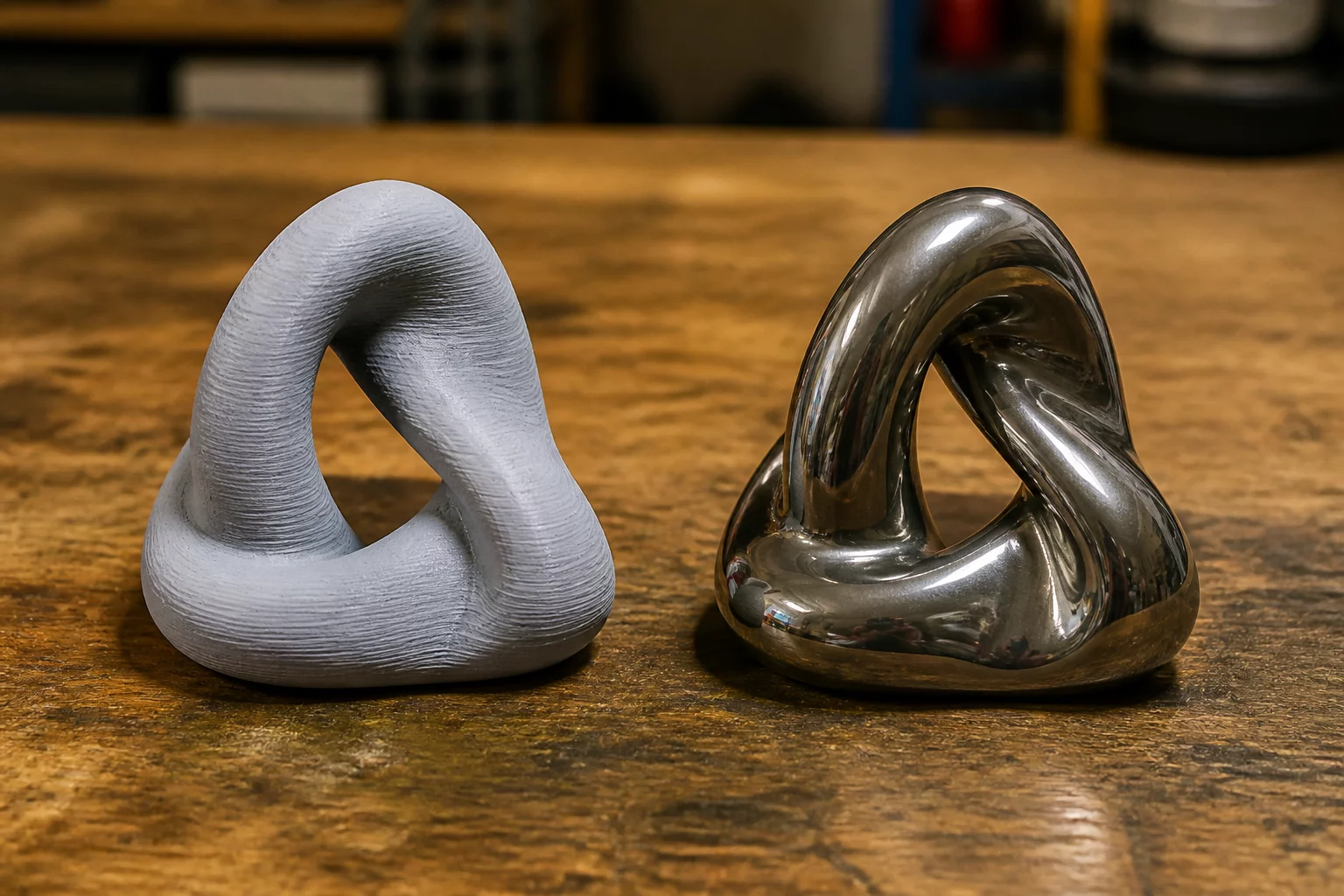
Identifying applications where roughness, layer resolution, and post-processing finish impact performance.
Evaluating batch-to-batch consistency, machine calibration drift, and process variation in serial production.
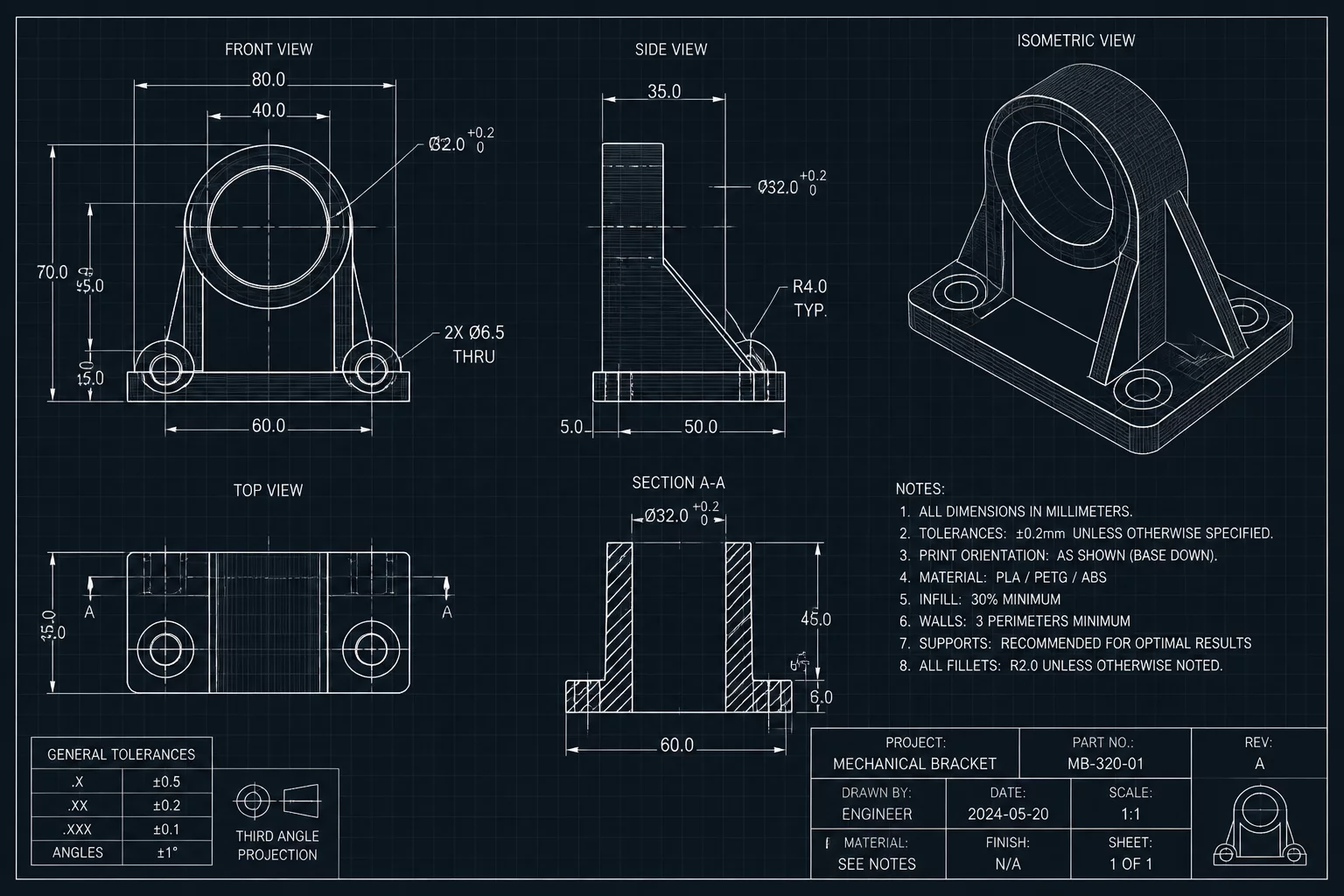
Formulating unambiguous specification documents to prevent misinterpretation between engineering and manufacturing.
Analyzing real-world quality control scenarios, part failures, and structured disposition workflows.
We require a standard 50% prepayment upon contract execution to reserve engineering review capacity. The remaining balance is structured in installments tied to key delivery milestones: 30% upon draft review submission, and 20% upon final acceptance criteria sign-off.
Our service agreements explicitly define and fix the scope of work. This includes specific dimensional tolerances, material specification sheets, and defined non-destructive testing (NDT) methodologies. Once signed, these parameters establish the absolute baseline for part readiness.
Any modifications to initial tolerances, materials, or verification methods must go through our formal change request protocol. Minor adjustments are documented via digital addendums, while major changes trigger a scope reassessment and potential fee adjustment.
Select your project scale to view the standard payment breakdown and contract timeline. All estimates are based on our standard publishing and review rate card.
How implementing structured acceptance criteria eliminates ambiguity and reduces manufacturing failure rates.
Relying on vague visual expectations leading to inconsistent surface finishes and rejected batches.
Mating parts fail to interface correctly due to undefined geometric dimensioning limits.
No non-destructive testing protocols mean internal defects go unnoticed until structural failure occurs.
Suppliers and quality control teams clash over undefined performance expectations and test methods.
Clear roughness limits measured via optical profilometry ensure absolute cosmetic repeatability.
Defined interface clearances and tolerances ensure precise assembly fitment every single run.
Standardized CT scanning and layer-monitoring catch structural flaws before parts leave the build plate.
Contracts reference precise ASTM/ISO standards, establishing clear engineering alignment.
How engineering and quality control teams transform their additive manufacturing workflows using our standardized acceptance criteria.
Engineers resolve part readiness reviews up to 3x faster using unified, structured checklists.
Manufacturing teams deliver parts that match exact geometric tolerances, removing subjective interpretation.
Quality assurance teams generate instantly compliant documentation that meets ISO/ASTM standards.
Production facilities catch internal voids and defects early, reducing raw material waste.
Prototyping labs achieve identical mechanical properties across multi-machine printing runs.
Assembly lines receive interlocking components that integrate perfectly without manual post-processing.
Evaluate your technical requirements to determine if our publishing standards and part readiness checklists align with your operational needs.
Engineers and managers operating in rigorous production environments where part failure is not an option.
Individuals looking for entry-level guides or general overviews without mathematical or mechanical depth.
Get in touch with our engineering review panel for custom acceptance criteria templates.